Quality Control Department
In the dynamic landscape of pharmaceuticals, the role of quality control in pharmaceutical industry stands as a pivotal factor in ensuring the safety and efficacy of drugs. Let’s delve into the specifics of QC and its various facets, from Physico-Chemical Quality Control to Batch Stability and Analytical Transfer. Quality Control in the pharmaceutical industry plays a vital role in assessing drugs at different production stages. Its primary responsibility is to ensure the readiness of drugs for the next phase, approving manufacturing processes in compliance with regulations for safe consumption.
Quality control department is established for complete control of the quality of the medication that is being produced, Testing is performed at different they need to be tested in several work areas. The main areas of research and analysis are:
- Physical & Chemical Laboratory
- Microbiological Laboratory
- Packaging Material Laboratory
Our physical & Chemical Labs contain advance instruments, separate rooms for each sensitive instrument. We have safety installations such as shower, eye washer, fire extinguisher and protection elements. There is a proper containers and arrangements for the storage of flammable chemicals. We have proper system of ventilation, humidification temperature monitored continuously. Our Quality Control Department is utilizing the latest and updated instruments meeting the International Quality Standard of pharmaceutical products to ensure testing at various stages of production to identify and rectify defects or variations. It ensures that each product meets the specified quality standards before reaching the market, safeguarding patient safety.
Rigorous regulatory guidelines guide Quality Control in pharmaceutical industry to ensure Pharmaceutical Products’ safety, efficacy, and reliability.
Quality control Department is essential for regulatory compliance and to gain the trust of healthcare authorities and consumers. They help Reduce the risk of product recalls, adverse events, and legal repercussions while enhancing a pharmaceutical company’s reputation for reliability and integrity.
We have qualified staff.
Quality Control (QC) in the pharmaceutical industry is critical to the safety, efficacy, and consistency of pharmaceutical products. It involves rigorous testing, inspections, and compliance with regulatory standards to detect and prevent defects or deviations in the manufacturing process. QC is vital in maintaining public health and safety.
Pharmaceutical Guidelines for Quality Control
Stringent regulatory guidelines guide quality control in pharmaceutical industry to ensure pharmaceutical products’ safety, efficacy, and reliability. These guidelines are established by various regulatory bodies, including the United States Food and Drug Administration (FDA), the European Medicines Agency (EMA), and the International Council for Harmonization of Technical Requirements for Pharmaceuticals for Human Use (ICH). Here are some key pharmaceutical guidelines for quality control:
- Good Manufacturing Practices (GMP): GMP guidelines provide comprehensive standards for the manufacturing, testing, and quality control of pharmaceutical products. They cover facility design, personnel training, documentation, and quality assurance.
- Good Laboratory Practices (GLP): GLP guidelines focus on the quality and integrity of laboratory data generated during pharmaceutical development and testing. They ensure that testing and analytical procedures are accurate and reliable.
- Pharmacopeial Standards: Pharmacopeias like the United States Pharmacopeia (USP) and the European Pharmacopoeia (Ph. Eur.) establish standards for the quality of pharmaceutical ingredients and finished products. Compliance with these standards is often mandatory.
- ICH Guidelines: The International Council for Harmonization (ICH) develops guidelines that harmonize regulatory requirements across regions, ensuring consistency in quality control practices.
- Validation Guidelines: Validation guidelines outline procedures for validating equipment, analytical methods, and processes to ensure they perform as intended and consistently produce quality products.
- Stability Testing Guidelines: These guidelines specify the requirements for conducting stability studies to determine pharmaceutical products’ shelf-life and storage conditions.
- Data Integrity Guidelines: These guidelines emphasize the importance of maintaining accurate and reliable data throughout product development and manufacturing processes.
- Quality Risk Management: Quality control guidelines also advocate using risk management principles to identify, assess, and mitigate risks that could impact product quality.
Step in Pharmaceutical Quality control


- Sampling
The process begins with the collection of samples from various stages of production, including raw materials, in-process materials, and finished products. Sampling is done according to established procedures and sampling plans.
- Testing and Analysis
The collected samples undergo various tests and analyses. Depending on the product type, these may include chemical, physical, microbiological, and pharmacological tests. The tests are conducted in accordance with established testing methods and pharmacopeial standards.
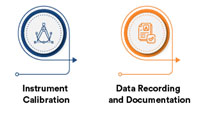
- Instrument Calibration
All analytical instruments and equipment used in testing must be regularly calibrated to ensure their accuracy and reliability. Calibration records are maintained to demonstrate instrument performance.
- Data Recording and Documentation
Detailed test results, procedures, and observation records are meticulously maintained. Proper documentation is crucial for traceability, accountability, and regulatory compliance.
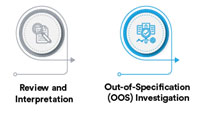
- Review and Interpretation
Trained analysts review and interpret the test results, comparing them to established specifications and standards. Deviations from specifications are identified and investigated.
Out-of-Specification (OOS) Investigation
If a sample fails to meet established specifications, an OOS investigation is initiated to determine the cause of the deviation. Corrective and preventive actions (CAPA) are implemented to address the issue and prevent recurrence.
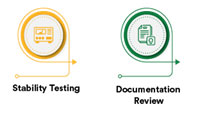
- Stability Testing
Stability studies evaluate how the product changes over time under different storage conditions. This helps determine shelf-life and appropriate storage recommendations.
Documentation Review
Quality control personnel review all data and documentation to ensure compliance with established procedures and regulatory requirements.
Release or Reject Decision
Based on the review of testing data, products are either released for distribution if they meet specifications or rejected if they do not. The release decision is made by qualified personnel.
- Record Keeping
All quality control records, including test results, batch documentation, and investigations, are archived and maintained for a specified period, as regulatory authorities require.
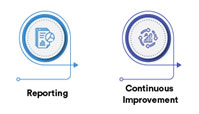
- Reporting
Quality control may generate reports summarizing testing results, OOS investigations, and other relevant information. These reports can be shared with regulatory agencies as required.
- Continuous Improvement
The quality control process includes feedback mechanisms to improve processes and prevent future quality issues continually.

